Avoid accidents! Part 2
03.06.2026
In 2025, POAS experienced an unusually high number of water damage incidents in addition to fire damage, which rendered many apartments uninhabitable and resulted in repairs costing several thousand euros.
The most common causes of damage have been improper installation of dishwashers, incorrect cleaning practices, and excessive water usage. We want to remind all tenants about proper cleaning and home maintenance by highlighting water damage incidents that have occurred in various apartments and detailing the costs incurred as a result.
Case 1
What happened?
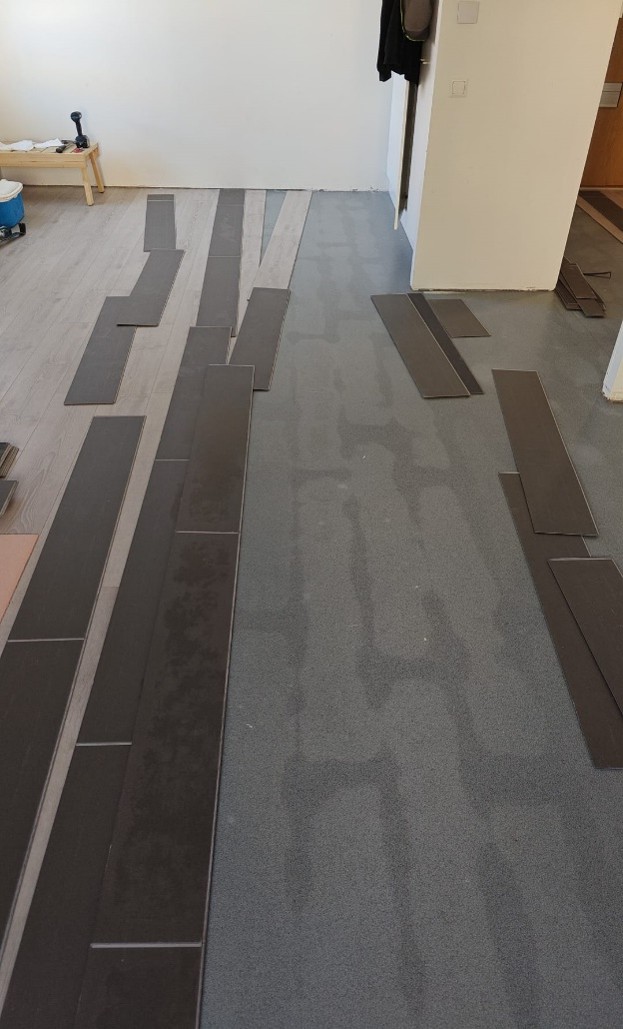
Water damage has been detected in the apartment, caused by a leak originating from the dishwasher. Drain water leaked into the kitchen base cabinet from the connections of the dishwasher’s drain trap. As a result of the leak, the back and bottom panels of the kitchen cabinet have been damaged. In connection with the damage caused by the dishwasher, separate water damage to the floor structure has also been detected in the apartment. The damage is estimated to have been caused by the large amount of water used during cleaning. The floor was mopped, and more water than usual accumulated on the floor, causing moisture to be absorbed into the floor structure. As a result of the events, moisture damage has occurred to the apartment’s structures, costing thousands of euros.
Main points:
- Total repair costs: 10 450€
- The tenant had home insurance, but only approximately 2000€ of the damage was covered, as the tenant had caused additional damage through their own actions.
- The tenant was therefore left to pay 8450€
Case 2
What happened?
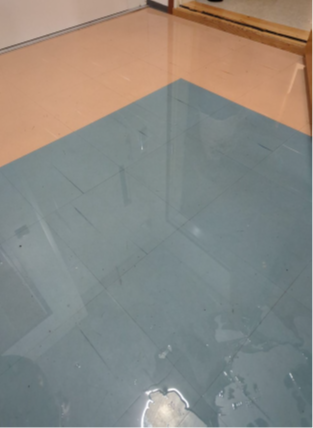
According to the tenant, the sewer pipes in the apartment building were being cleaned, and tenants were instructed to plug the floor drains in their apartments during that time. It was the tenants’ responsibility to remove the plugs from their own apartments once the cleaning was complete. The plugs were not removed, and damage occurred when the faucet in the bathroom was turned on and the water could not flow freely into the drain because the plugs had not been removed. As a result, water spread outside the bathroom into the hallway. Once the water had spread outside the bathroom into the hallway, it was mopped up with a floor mop and swept onto the balcony.
Main points:
- Total repair costs 15 366 €
- The tenant had home insurance, but only approximately 2000€ of the damage was covered, as the tenant had caused additional damage through their own actions.
- Total cost to the tenant 13 366 €
- The tenant did not report the damage to the on-call service
Case 3
What happened?
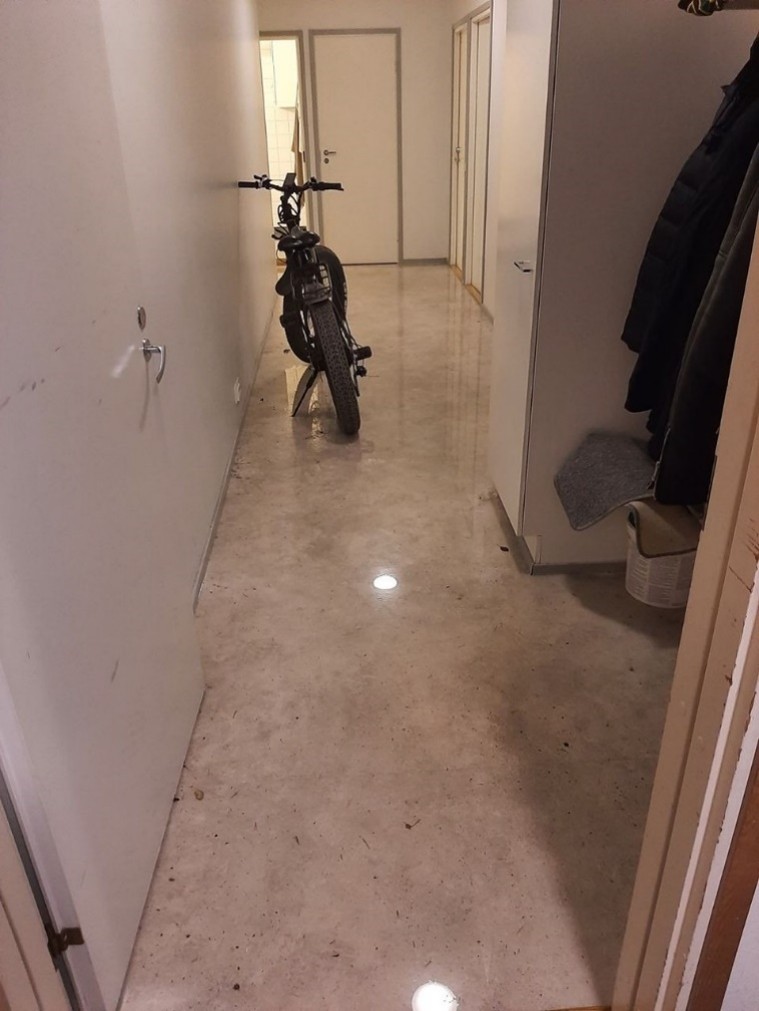
In the first part of the “Avoid accidents!” campaign, we explained how grease buildup can cause water damage. In one apartment, the floor drain in the bathroom flooded due to a clogged sewer, and water had spread throughout the entryway and into the kitchen. Water flowed from around the drain onto the lobby floor and spread from there throughout the apartment, into the stairwell, and elsewhere in the building.
Main points:
- Total repair costs 20 103 €
- The tenants filled out a notice of defect when the drain began to overflow
- A notice of defect should have been filed as soon as the drain blockage was noticed. When the damage occurred, the tenant should have called the maintenance company’s on-call service.
- No home insurance
Case 4
What happened?
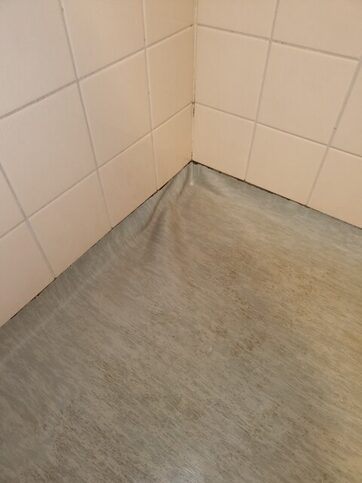
In addition to water damage, other defects are sometimes found in apartments, resulting in a deterioration of the apartment’s condition during the tenancy. In such situations, the tenant is liable for compensation if the landlord was not notified of the defects or alterations in a timely manner. For example, in this apartment, the plastic flooring in the bathroom was warped and moisture levels were elevated, indicating a long-standing problem. Due to these defects, extensive renovations had to be carried out in the apartment, even though the tenancy had lasted only about four years. The lease agreement you signed states: “The tenant is obligated to notify the landlord without delay of any defects or deficiencies that arise in the apartment under their control. If the tenant fails to fulfill this obligation, the landlord has the right to arrange for the necessary cleaning and repair work in the apartment and bill the tenant for the costs.”
Main points:
- Total repair costs 11 476 €. This amount does not include the new water damage
- No reports of defects in the apartment
- No home insurance
- The total cost to the tenant 11 476 €
What can you do to prevent any water dammages or accidents?
Small actions can prevent major damage. By taking the following steps, you may save yourself a significant amount of money.
- If you notice a water leak, call and report it to maintenance immediately
- Remember to keep your home insurance up to date! POAS does not cover temporary housing if the apartment is uninhabitable due to the damage. Depending on its coverage, your home insurance may cover temporary housing
- The tenant is responsible for paying for water damage they cause, as well as any damage resulting from failure to report the incident
Dishwasher
- Use a leak guard (drip tray) under the machine. These cost 20–30€ depending on the store. Install the tray first, then the machine
- Have a professional install the dishwasher. Insurance may not cover a self-installation
- Have a professional check the condition of the hoses (especially if the machine is not new), the tightness of the connections, and the proper installation of the drain hose.
- Use only detergents intended for dishwashers
- Do not leave the machine running when you leave the apartment or overnightMonitor the machine during operation to ensure there are no leaks or unusual noises
- If you notice any problems report the issue immediately
- In the event of a leak, turn off the water and act quickly
- When moving out properly cap the connections
Bathroom
- Do not attach anything to the bathroom walls or floors
- As a tenant, you are obligated to report any issues with the apartment. Failure to report defects may result in liability for damages
- If the toilet is leaking or dripping, file a notice of defect
- Do not place any type of bathtub in the bathroom or on the balcony
- Do not pour any type of grease down the drains! If the drains are clogged, file a notice of defect.
Remember:
Prevention is the best defense. Regular inspections and careful attention to everyday tasks are an effective way to prevent damage and enhance the safety of both you and others living in the building.